Is It Safe to Sleep in a Room With Mould? NHS Advice Explained
As an Amazon Associate we earn from qualifying purchases. Some links on this page are affiliate links, which means we may earn a small commission if you make a purchase.
You wake up with a scratchy throat, eyes watering, and a patch of black mould on the bedroom wall. Is it dangerous to keep sleeping there?
The honest answer is less dramatic than fear-driven headlines suggest, but it is not something to ignore. The NHS does not tell you to pack a bag immediately; it tells you to remove the mould and fix the cause. Here is what that actually means for your home.
What the NHS Actually Says About Mould and Health
Mould is not a single “toxic” substance. It is a collection of fungi that produce allergens—substances that can trigger an allergic reaction—and in some cases affect the immune system. That sounds alarming, but the NHS position is more measured than the scaremongering often found online.
According to NHS inform, if you have damp and mould in your home, you are more likely to experience respiratory problems, respiratory infections, allergies, and asthma. For most healthy adults, breathing in mould spores does not cause illness, as the immune system handles it. However, children, older people, asthmatics, and anyone with a weakened immune system face a higher risk. For those groups, prolonged exposure matters.
The symptoms that can show up—sneezing, a runny nose, red eyes, skin rash—are allergic reactions, not poisoning. They are unpleasant and a signal, but they are not the same as the systemic toxicity some articles imply. The NHS advises getting mould removed as soon as possible, and that is the right call—not because the room is deadly, but because the damp feeding it is a chronic problem that will keep returning.
If you are renting and wondering whether your landlord is responsible for sorting this, the answer is yes.
Why UK Homes Get Mould (And Why It’s Usually Condensation)
Most mould in British homes is condensation, not rising damp or a structural leak. Condensation is the leading cause of mould in the UK, and understanding why helps you fix it properly rather than paying for work you do not need.
Here is what happens: warm air holds more moisture than cold air. When that warm, moisture-laden air hits a cold surface—a single-glazed window, an uninsulated external wall, or the back of a wardrobe against a north-facing wall—the air temperature drops and the moisture condenses into liquid water. That water is exactly what mould spores need to grow.
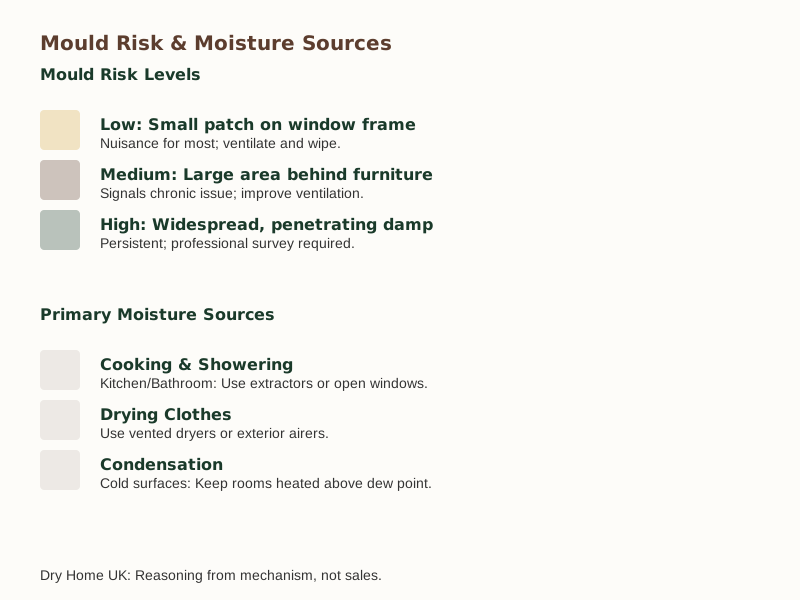
In a typical UK household, the sources of that moisture are everyday living: cooking, showering, drying clothes indoors, and breathing. During autumn and winter, when homes are colder and windows stay closed, that moisture has nowhere to go. Double glazing sealed the draughts that used to vent it away, which is a good thing for warmth but a problem for moisture management.
The fix is not expensive building work in most cases; it is ventilation and heat. Open a window when cooking or showering. Use extractor fans. Keep the room warm enough that surfaces stay above the dew point. These steps work for most condensation-related mould.
If you are unsure whether you are dealing with condensation, rising damp, or something else, our damp diagnosis guide walks through the key differences.
What the NHS Position Actually Means Here
The NHS does not say you must vacate a room with mould, and it does not publish a threshold for how much mould makes a room “unsafe” — that’s not a call this site is qualified to make for you either. What it says is simpler: remove the mould and fix the source of the damp, as soon as reasonably possible. It also names the groups more likely to be affected — children, older people, and people with weakened immunity or existing respiratory conditions such as asthma — as a reason to treat this as worth acting on promptly, not as a personal risk score to calculate.
If you or anyone in the household has a health condition and you’re concerned about the mould specifically, that’s a conversation for a GP, not a DIY assessment. What this site can help with is the practical side: getting the mould removed properly and fixing whatever is causing the damp so it doesn’t come back.
What You Should Do Right Now (Step-by-Step)
Here is what actually works, in order of priority.
Step 1: Ventilate. Open windows to create a cross-draught, use extractor fans if you have them, and leave the bedroom door cracked open overnight. Ventilation is a key line of defence against the conditions that let mould grow. If you have trickle vents on your windows, make sure they are open. This sounds obvious, but it is the step most people skip because it makes the room feel cold.
Step 2: Heat the room. Not aggressively—you do not need to bake. Keeping the room at a consistent temperature above about 16–17°C reduces the temperature differential that causes condensation on cold surfaces. A small electric heater in a poorly insulated spare room is often money better spent than a dehumidifier for occasional condensation patches.
Step 3: Wipe down hard surfaces. For small patches on hard surfaces like tiles, window frames, or gloss-painted walls, a dedicated mould remover works better than bleach. HG Mould Remover (paid link) is widely praised for removing black mould quickly with minimal scrubbing, though it has a strong smell—use it with the window open. Dettol Mould & Mildew Remover (paid link) is another option that performs well on bathroom and kitchen mould, though stubborn stains may need a second application. Bleach can kill surface mould but does not reach the roots in porous surfaces, and it can damage the material it is applied to.
Step 4: Report it in writing if you rent. If you are a tenant, landlords are responsible for repairing the causes of damp and mould. Report it to your landlord or letting agent in writing to create a paper trail. If they do not act, you can escalate to the council’s environmental health team or contact Shelter for advice. Our renters guide to damp has more on the reporting process.
If the mould covers a large area, is behind plaster, or keeps returning despite ventilation, that is when you need a professional survey—not a contractor who also quotes for the work, but an independent surveyor who can identify the actual cause.
When You Need a Dehumidifier (And When You Don’t)
A dehumidifier is a tool that addresses the environment mould grows in. It removes moisture from the air, which reduces condensation and helps a damp room dry out. It does not fix a leak, replace ventilation, or remove mould that is already there.
You probably do not need one if: you have a small condensation patch on a window frame that appears in deep winter, you already ventilate the room, and the mould disappears when the weather warms up. A dehumidifier for this situation is like using a fire extinguisher on a candle.
You probably do need one if: you regularly dry laundry indoors, the condensation and mould keeps coming back despite ventilation, or you are dealing with genuine damp rather than occasional condensation.
For a bedroom with chronic condensation, UK buyers consistently rate the Meaco Arete One 12L (paid link) as quiet enough to run all night while still being effective at pulling moisture out of the air. It is not cheap, but owners say it is worth it for persistent problems. If that is beyond your budget, the EcoAir DC12 (paid link) is a practical, affordable compressor dehumidifier that handles smaller rooms well, though buyers mention it can be a bit loud for overnight bedroom use.
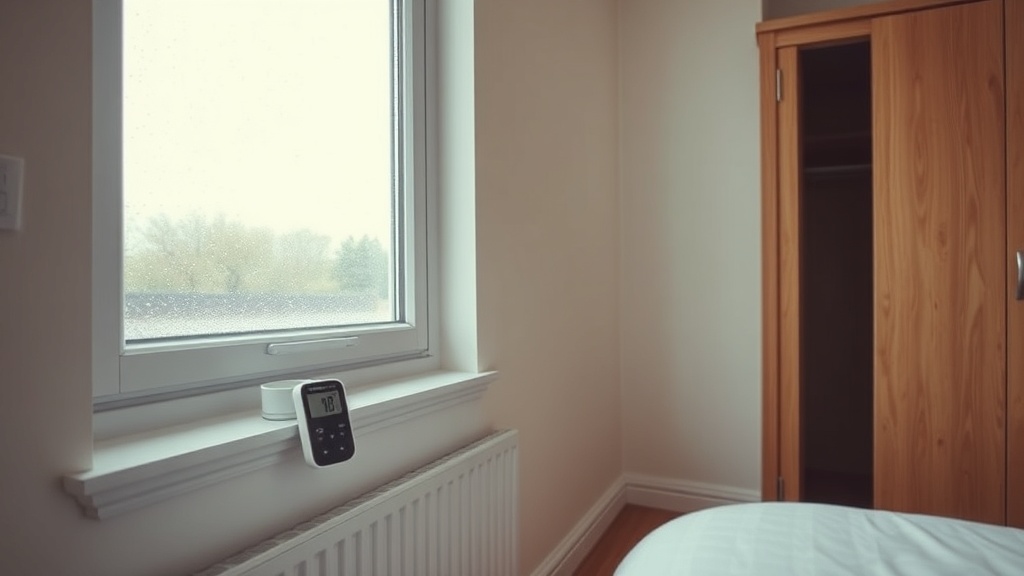
Whatever you buy, a hygrometer helps you see whether you are actually making progress. The ThermoPro TP50 (paid link) is a reliable, no-frills monitor that UK buyers praise for its accuracy and clear display, and it runs for years without issues. Just do not expect smart features or a backlight—it is a basic monitor, not a connected device.
See current price on Amazon → (paid link)
The honest truth is that a dehumidifier is a recurring cost and a piece of equipment to maintain. For most condensation-related mould, getting the ventilation right first will solve the problem without spending a penny on appliances.
Frequently Asked Questions
Can mould affect my health long-term?
The NHS position is that damp and mould can cause or worsen respiratory problems, trigger asthma, and cause allergic reactions, with higher risk for children, older people, and those with weakened immunity. It doesn’t attach that risk to a specific mould colour or species, and it isn’t a basis for self-diagnosing a specific illness. If you’re worried about a specific health condition, that’s a question for your GP, not this site — what we can help with is getting the mould removed and the damp source fixed.
Is it my landlord’s responsibility?
Yes. Under UK law, landlords are responsible for keeping the property free from damp and mould where it is caused by structural issues, leaks, or poor ventilation that is not down to the tenant’s behaviour. Report the problem in writing, keep copies, and if the landlord does not act, you can contact the council’s environmental health team or seek advice from Shelter or Citizens Advice.
Does bleach kill mould?
Bleach can kill surface mould, but it does not remove the roots in porous surfaces, and it can damage the material it is applied to—especially on plaster and grout. A dedicated mould remover like HG or Dettol is more effective on most household surfaces and less damaging. Either way, treating the surface without fixing the damp source means the mould will come back.
What is Awaab’s Law?
Awaab’s Law is a UK regulation introduced after the death of Awaab Ishak, a two-year-old who died from respiratory disease caused by severe damp and mould in his social home. It requires social landlords to investigate and fix dangerous damp and mould within strict time limits, and they are not allowed to wait for medical evidence before acting. It applies to social housing, but the principle—that landlords should not wait—is relevant to all rented properties.
UK Moisture Sources
| Source | Typical Location | Mitigation |
|---|---|---|
| Cooking | Kitchen | Extractor fan, open window |
| Showering | Bathroom | Extractor fan, open window |
| Drying Clothes | Any room | Airer, tumble dryer vented outside |
| Breathing | All rooms | Ventilation, heating |
| Condensation | Cold surfaces (windows, walls) | Heat room, keep above dew point |
Taking the Next Step
Here is where to land: the NHS doesn’t tell you to vacate a room with mould in it — it tells you to remove the mould and fix what’s causing the damp, and to treat that as more pressing where children, older people, or anyone with a weakened immune system or existing respiratory condition is affected. The fix is the same either way: remove the mould, ventilate the room, and fix the moisture source.
The first practical step is to open a window, wipe down the surface, and report it in writing if you are renting. That is free, it takes ten minutes, and it addresses the immediate risk without spending money on a dehumidifier you may not need.
If you are trying to work out what type of damp you are actually dealing with—because that determines what actually fixes it—grab our free checklist. It walks you through the key questions to answer before you buy anything or call anyone.
Get the Free Damp & Mould Diagnosis Checklist
Related Guides
For a complete overview, see our What Does the NHS Actually Say About Mould in Your Home? .
Sources & Further Reading
As an Amazon Associate we earn from qualifying purchases.
Note: This information is for general guidance only. Always verify details with a qualified professional or official source.
Buy EcoAir DC12 on Amazon → (paid link)
View Meaco Arete One 12L on Amazon → (paid link)
See Dettol Mould & Mildew Remover on Amazon → (paid link)
See HG Mould Remover on Amazon → (paid link)