Is It Condensation, Rising Damp or a Leak? How to Tell the Difference
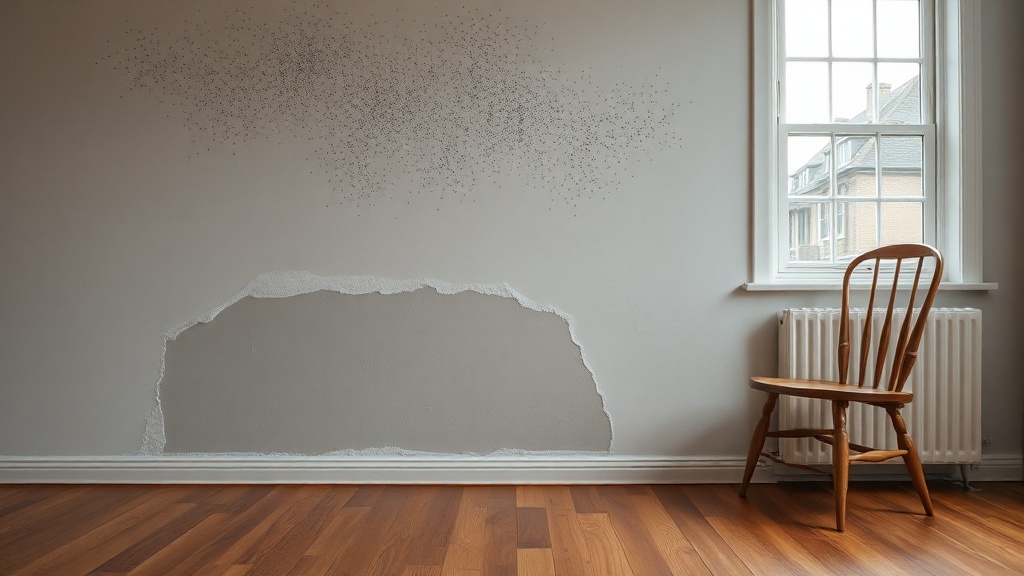
eBay Partner Network: I earn a commission when you buy through eBay links on this page.
You’ve noticed a damp patch or black mould on your wall, and before you’ve even reached for your phone, a thought has already landed: “rising damp.” Then comes the next thought—the one that costs money—“I’ll need a damp-proof course.” The honest answer is that most of the time, it isn’t rising damp. The single most common cause of damp and mould in UK homes is condensation, and it doesn’t need an expensive remedial fix. It needs better ventilation, occasionally a dehumidifier, and an understanding of what’s actually happening on your wall.
The key to working out which type you’re dealing with is a quick visual check: the “tide mark” test. This takes about two minutes, and it’s the most reliable way to tell condensation, rising damp, and penetrating damp apart before you spend a penny on treatment or surveys. This article explains that test, then walks through what each type actually means, what causes it, and how to fix it properly.
The Tide Mark Test: Your First Step
Before anything else, look at the stain. Specifically, consider three things: its shape and edges, where on the wall it sits, and whether it changes when the weather changes. These three observations will tell you more than most surveys will in the first five minutes.
- Condensation creates fuzzy, irregular patches with soft, feathered edges. It appears on the coldest surfaces—typically north-facing walls, corners where air doesn’t circulate, behind wardrobes against external walls, and on single-glazed windows. The edges are blurred, not clean.
- Rising damp leaves a clean, horizontal tide mark, usually below one metre on ground-floor walls. The line is sharp and defined, sometimes with a rim of white or grey salt deposits.
- Penetrating damp forms a defined wet patch that grows or darkens after rain or wind. Unlike condensation, it isn’t temperature-related—it’s directional, driven by water hitting the outside of the wall.
The pattern tells you what to fix. A fuzzy, irregular stain on a cold surface is condensation—fix the airflow. A clean horizontal line below one metre is rising damp—check your DPC and drainage. A defined patch that worsens after rain is penetrating damp—the defect is on the outside of the wall.
Condensation: The Most Common Cause (and the Fixable One)
Condensation is not a structural problem; it’s an airflow and temperature issue. It happens when warm, moisture-heavy air meets a cold surface, causing water vapour to condense into liquid. This is dew point physics at work inside your home.
It shows up most often in rooms with poor air circulation and temperature differences: north-facing walls, corners, behind furniture pushed against external walls, and on single-glazed windows. If the stain has the fuzzy, irregular, soft-edged quality described above, condensation is the likely cause.
The fix involves ventilation, humidity control, and keeping surfaces warmer. Three straightforward starting points:
- Check your trickle vents—the small adjustable openings at the top of uPVC window frames. These are often painted shut or left closed; open them.
- Use extractor fans in the kitchen and bathroom, and keep doors closed when cooking or showering to stop moist air spreading into cooler rooms.
- Keep lids on pans when cooking, dry clothes outdoors where possible, and avoid overfilling wardrobes against external walls—airflow matters more than people think.
Wiping down condensation each morning and leaving bedroom doors closed at night are small habits that interrupt the moisture cycle that feeds mould. Opening windows for 10–15 minutes a day also makes a significant difference to overall humidity levels.
Condensation is common in modern UK homes because our houses were built to breathe through gaps and draughts that we then sealed shut with double glazing and insulation—without always adding alternative ventilation. Moisture from daily life has nowhere to go, especially during the heating season when windows stay closed.
For persistent condensation in a spare room, a north-facing bedroom, or a property that’s hard to heat, a dehumidifier genuinely helps break the cycle. If this sounds like your situation, Get the Free Damp & Mould Diagnosis Checklist —it walks you through confirming condensation is the cause before you spend anything.
The mistake most people make is reaching for surface treatments first—anti-mould paint, bleach, or mould remover spray. These address the symptom without touching the cause. Mould is a fungus that grows on damp; cleaning it off without fixing why the surface is damp in the first place means it will return, usually within the season.
Rising Damp: Real but Over-Claimed
Most damp-proofing companies won’t tell you this straight away: the pattern on that damp ground-floor wall is more likely to be condensation or penetrating damp than rising damp. That matters, because the cost of getting it wrong is significant.
Damp-proofing firms have a financial incentive to identify rising damp. That doesn’t mean their diagnosis is always wrong, but an independent survey from a surveyor who doesn’t also quote for the work is worth having before you commit to anything. An independent damp survey typically costs roughly £150–£300.
Rising damp is real, but it accounts for a small proportion of damp problems in UK homes. Rising damp works through capillary action—water travels upward through tiny pores in masonry, pulled by surface tension. This physics imposes a practical limit: the water typically reaches roughly one metre above ground level before gravity overtakes the capillary pull. A damp stain significantly above that height is almost certainly not rising damp.
The visual signs are a clean horizontal tide mark, sometimes with a rim of white or grey salt deposits left behind as the water evaporates. The stain tends to concentrate on exterior ground-floor walls. A damp patch on a ground-floor wall is not automatically rising damp, however. A competent surveyor will rule out condensation and penetrating damp before concluding it’s rising damp, because each has a different fix.
Penetrating Damp: The “Leaky Wall” Problem
Penetrating damp is different in nature from rising damp. Rather than water rising from below, it enters the wall horizontally, driven through defects in the external envelope by wind pressure and gravity. Rain doesn’t have to be heavy; wind-driven rain is often the culprit, which is why penetrating damp can appear on walls that don’t face the prevailing wind.
The quickest diagnostic test is the weather check: watch the stain and compare it to the rainfall. Does it darken or spread after rain or wind? If yes, it’s almost certainly penetrating damp. Rising damp and condensation are not directly weather-driven in the same way—if the stain stays the same regardless of rainfall, it’s more likely to be rising damp or condensation.
Common external defects that cause penetrating damp:
- Cracked or bulging render
- Gaps in brickwork pointing
- Missing or slipped roof tiles
- Damaged flashing around windows and doors
- Faulty gutters or downpipes that direct water onto walls
The fix starts outside the wall. Inspect the render for cracks, check the roof for slipped tiles, look at window sills for gaps, and clear your gutters. Watching whether the stain responds to rainfall gives you a reliable confirmation test. Most of this is straightforward to do yourself; anything involving the roof warrants a professional.
What If It’s a Roof Leak?
A roof leak can show up as a water stain on a ceiling or upper wall—distinct from wall damp because the water is travelling down from above. If the stain is on a ceiling or upper wall, a roof leak is worth investigating first.
The diagnostic approach is different. Roof leaks follow the path of water through the building structure—down joists, along beams, through insulation—and can appear some distance from the actual breach. In the loft, check for missing or slipped tiles, damp insulation, water staining on timber, or active drips. Pay particular attention around chimneys, valleys, and where flat roofs meet walls.
Once you’ve confirmed it’s a roof leak, the priority is stopping further water entry. Temporary measures like a tarpaulin or bucket buy time until a roofer can properly repair the damaged section. Anything beyond minor patching requires a professional.
Tenants: Your Rights and How to Report Damp
If you’re renting, damp and mould caused by poor ventilation, inadequate heating, or defects in the structure is your landlord’s responsibility. You’re not expected to solve a ventilation problem with a dehumidifier you’ve paid for yourself, particularly when the root cause is the property’s fabric.
Report damp and mould to your landlord or letting agent in writing. Email is simplest—it gives you a dated record. State clearly that you are reporting a repair issue, describe the problem (with photos), and ask for an inspection and repairs. Keep a copy.
If the damp is serious and your landlord isn’t acting, you have legal protections. Awaab’s Law—introduced under the Housing Act 2024—places a legal duty on social landlords to address serious hazards including damp and mould within a set timeframe. For private renters, Citizens Advice and Shelter can advise on escalation options.
Your council’s environmental health team is a further route if your landlord continues not to act. Local authorities have enforcement powers for hazardous disrepair, and most have online reporting forms. Tenants should not have to manage a damp and mould problem caused by the property’s condition alone.
Tenants should not pay for a professional damp survey themselves. If a contractor knocks on your door offering a free damp survey, do not agree to pay for treatment before getting your own independent advice. Your obligation is to report the problem and request action; you are not obligated to commission the diagnosis.
Frequently Asked Questions
Can I just paint over black mould?
No. Painting over mould hides it but doesn’t stop it. The mould will return, usually within a season, because the surface is still damp. Clean the surface with a proper fungicidal treatment first, address the moisture source, and only then repaint—ideally with a mould-resistant formulation.
What humidity level should I aim for indoors?
The NHS recommends keeping indoor relative humidity below 60% to discourage mould growth. A small, inexpensive hygrometer will tell you where you actually stand — a generic digital hygrometer (eBay paid link) from eBay costs a few pounds and is accurate enough for this. The reading is only as useful as the placement: measure in the room where you’ve seen the mould, at the height of the wall where it appears.
Is rising damp actually common?
It’s real but significantly over-claimed by firms selling damp-proofing. Most damp problems in UK homes turn out to be condensation or penetrating damp. If a contractor tells you that you need a full DPC injection, ask for an independent survey first.
How much does a damp survey cost?
Independent damp surveys typically cost roughly £150–£300 depending on the size of the property. A survey from a firm that also quotes for the remedial work carries a conflict of interest; the free survey is effectively a sales tool. An independent surveyor, ideally a member of the Property Care Association (PCA), has no financial stake in what they find.
Damp Types: Visual Diagnosis Guide
| Type | Visual Appearance | Typical Location | Key Diagnostic Test |
|---|---|---|---|
| Condensation | Fuzzy, irregular patches with soft, feathered edges | North-facing walls, corners, behind wardrobes | Check if it worsens with humidity or temperature changes |
| Rising Damp | Clean, horizontal tide mark below 1 metre | Ground-floor exterior walls | Look for a sharp line and possible salt deposits |
| Penetrating Damp | Defined wet patch that grows after rain | Any wall, often where wind-driven rain hits | Observe if the stain darkens during or after rainfall |
| Roof Leak | Stain on ceiling or upper wall | Upper levels of the property | Check loft for active drips or damp insulation |
| Tenant Issue | Mould caused by landlord’s failure to ventilate | Any room with poor airflow | Verify if the issue persists despite tenant’s efforts |
Note: This table is for illustrative purposes only. Always consult a qualified surveyor for a definitive diagnosis.
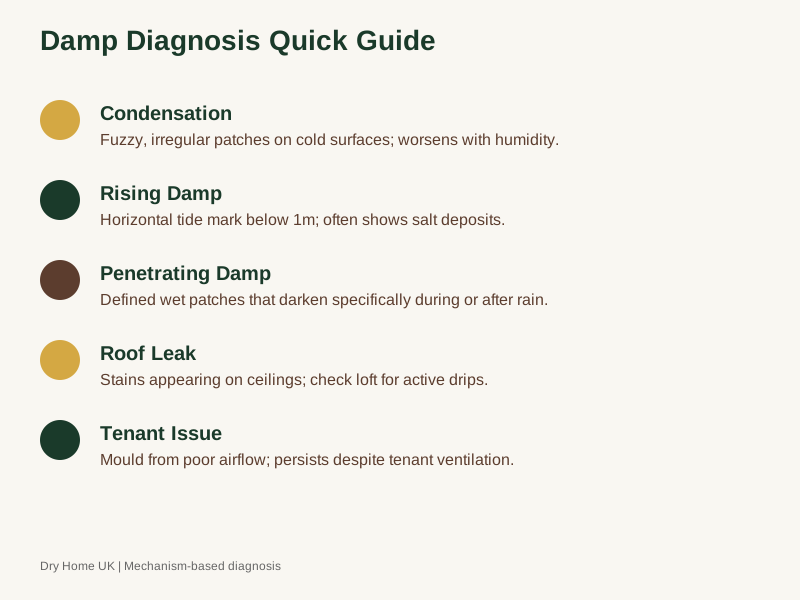
Where to Go From Here
The tide mark test is the single most reliable starting point. Before you spend anything on treatments, surveys, or professional call-outs, look at the stain: is it fuzzy and diffuse, or a clean horizontal line? Does it worsen after rain? The answers narrow the field considerably—and in most cases, they’ll point you toward condensation, which is fixable without expensive remedial work.
If you’ve worked through the test and you’re still not sure, or if the pattern points toward rising damp, penetrating damp, or a leak, an independent survey from a surveyor who doesn’t also do the work is the right next step. It’s a cost, but it’s the cost of not paying for work you don’t need.
For a step-by-step walkthrough of the visual checks described here, work through the free checklist—it takes you through the tide mark test, the weather check, and the external defect inspection in order. Get the Free Damp & Mould Diagnosis Checklist .
Explore More Topics
Go deeper on specific topics:
- The Foil Test and Other DIY Checks to Identify Damp Type
- Musty Smell but No Visible Mould: Where to Look and What It Means
- Rising Damp Is Rarer Than You’ve Been Told — When to Call a Surveyor
- Why Surveyors Disagree on Rising Damp and What That Means for You
Sources & Further Reading
Note: The information provided in this article is for general guidance only. Always verify details with a qualified professional or official source.