When to See a Doctor About Mould Exposure — NHS Signposting
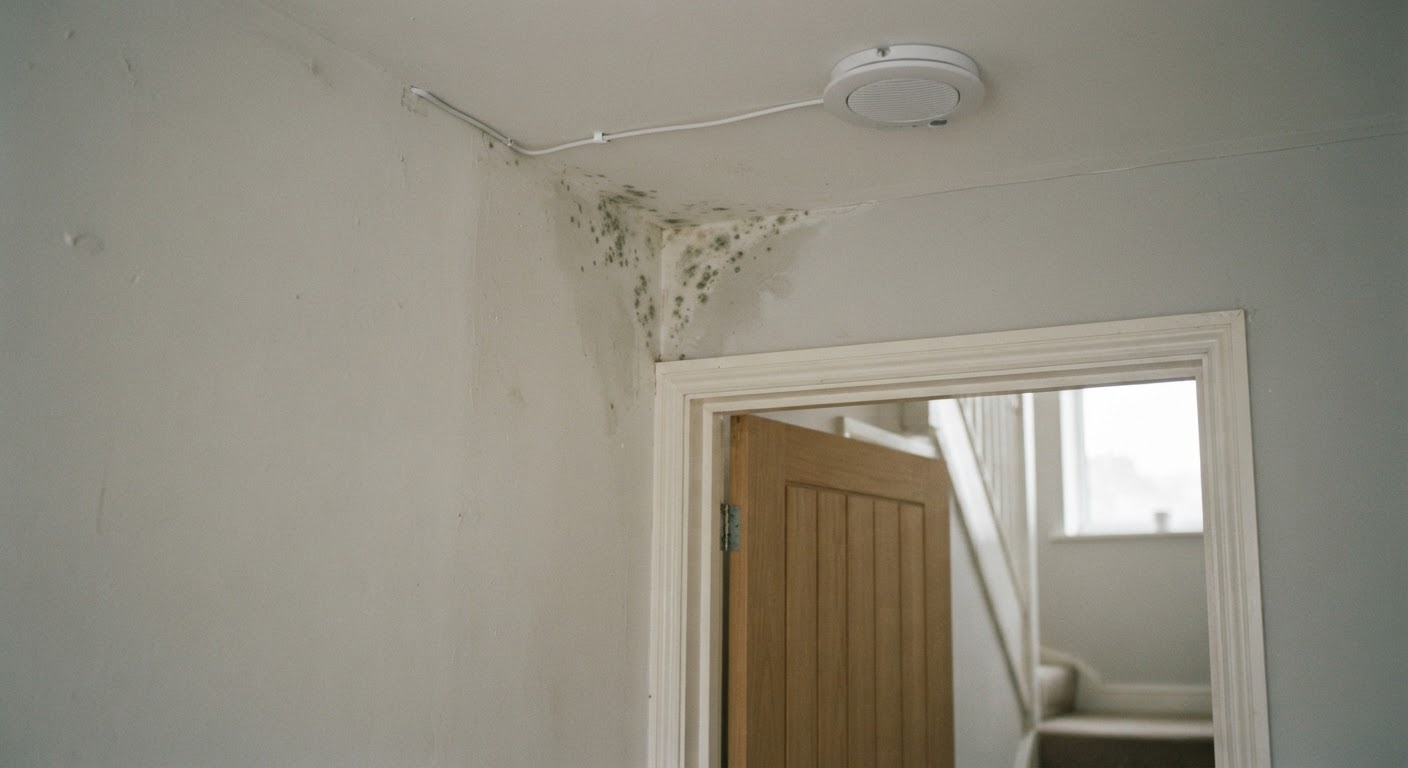
The internet is full of alarming headlines about “toxic mould syndrome” that make it sound like you need a specialist clinic. Before you spend money on a mould “detox” or waste weeks worrying, here is what the NHS actually says—and, more importantly, what it doesn’t say—about mould exposure and when you should see a doctor.
The honest answer is more straightforward than the fear sells: the NHS treats symptoms, not mould exposure itself, and the most effective thing you can do for your health is to fix the moisture at home.
What the NHS Actually Says About Mould and Health
In UK homes, the mould you see is usually driven by condensation—the moisture that builds up from everyday living. That damp on walls and ceilings is typically a ventilation problem, not a mysterious structural defect.
The NHS position on health effects is measured and specific. Mould can trigger allergic and respiratory problems and worsen asthma, but most people who breathe in mould spores do not become ill. The mechanism is straightforward: mould releases microscopic spores that, when inhaled, can irritate the airways and trigger immune responses in sensitive individuals.
For someone with no underlying respiratory conditions, this typically means temporary symptoms at worst. For someone with asthma or a mould allergy, it can mean a genuine worsening of their condition that warrants medical attention.
The crucial distinction is that the NHS does not have a separate clinical category for “mould illness” or “toxic mould syndrome.” It categorises the health effects under existing conditions: allergic rhinitis, asthma, and eczema. That is the framing you need to carry through the rest of this article.
What the NHS Says, in General Terms
Damp and mould can affect the airways, lungs, eyes, and skin — the NHS describes this in terms of allergic and respiratory effects, not a specific symptom checklist to work through at home. This isn’t something to self-diagnose from a list on a website: the same symptoms have plenty of other causes, and a GP is the right person to work out what’s actually going on for you. What the NHS is clear on is the general pattern — sustained exposure to an unfixed damp problem matters more than a single brief encounter, which is exactly why fixing the damp is the priority alongside anything a GP recommends.
The NHS Route: What to Expect
Here is the bit that surprises people who have spent time down internet rabbit holes: there is no specialist “mould exposure” clinic or referral pathway in the NHS.
UK healthcare does not recognise “mould illness” or “toxic mould syndrome” as a diagnosis, and there is no specific test for mould exposure. You cannot walk into a GP surgery and ask for a mould exposure test and receive one.
What happens instead is entirely sensible. You see your GP for the symptoms—the cough, the wheeze, the rash—and the GP diagnoses and treats those symptoms according to standard clinical pathways. If you present with a persistent cough and a history of mould exposure, a GP might diagnose allergic rhinitis or asthma and prescribe a standard inhaler or antihistamine. If symptoms persist after the mould is removed from your home, the GP investigates other causes.
This is the missing step in most of the alarming content online. The actual route is a standard GP appointment for whatever symptoms mould may have triggered. The NHS symptom checker for “mould” redirects to general respiratory and allergy advice—there is no dedicated mould clinical pathway.
That sounds like a gap, but it is actually reassuring. It means your GP is well-equipped to help, because they are treating the symptoms using familiar, well-established methods. You do not need a specialist. You need to describe your symptoms honestly, mention the home environment, and follow up if things do not improve.
When to See a Doctor
If you have asthma, mould can be a trigger — that’s well-documented, and existing asthma management advice already covers what to watch for and when to act, rather than this site inventing its own version of it. People with a weakened immune system or an underlying lung condition are at higher risk generally, and the NHS position is that it’s worth mentioning persistent mould in your home to your GP if you’re in one of those groups, even if nothing feels acutely wrong.
As with any health concern, severe or sudden symptoms — significant difficulty breathing, chest pain, a severe asthma attack — warrant urgent medical attention regardless of what you think caused them. Beyond that, the general rule is simple: if something feels wrong, new, or isn’t improving once the damp’s being dealt with, that’s a reason to see a GP, not to keep researching online.
Fixing the Root Cause (The Real Cure)
Here is where the article pivots, because this is the part that actually protects your health long-term.
The most effective way to address mould-related health risks is to fix the moisture and ventilation problems in the home. Practical fixes are the unglamorous ones: heat rooms reasonably rather than leaving them freezing cold, ventilate kitchens and bathrooms by opening windows or using extractor fans (and making sure they actually vent to the outside, not just into the loft), dry clothes with a window open or a proper vented dryer, wipe condensation off windows and walls when you see it, and repair any leaks promptly.
In most UK homes, this is a seasonal problem—it peaks in autumn and winter when windows stay shut and the temperature difference between inside and out creates the conditions for condensation to form. The good news is that seasonal problems respond to seasonal changes: once the weather warms and you can ventilate properly again, the moisture balance shifts.
If you are a tenant and the damp is caused by a structural issue—a leaking pipe, a broken extractor fan, a problem the landlord is responsible for—reporting it in writing is the first step. If it is not resolved, your local council’s environmental health team can intervene. For social housing residents, legislation like Awaab’s Law is designed to force faster action on dangerous damp and mould.
It’s genuinely difficult to tell from symptoms alone whether mould, pollen, dust mites, or something else entirely is behind how you’re feeling — several common allergens produce very similar effects. That’s precisely why this is a GP’s job rather than a process of elimination you run yourself: they can properly assess it, where a website guessing from a list cannot.
Taking the Next Step
The NHS is there to help with symptoms, and it does so through familiar, well-established pathways—not a specialist mould clinic that does not exist. The most effective long-term protection for your health is fixing the damp at home: ventilation, heating, and addressing the root cause rather than treating the surface.
If you are not sure whether what you are dealing with is condensation, a ventilation problem, or something that needs a professional survey, Get the Free Damp & Mould Diagnosis Checklist —it walks you through the key signs and what to check first. For anything structural—suspected rising damp, penetrating damp from a roof or wall defect, or damp that has been present for a long time behind plaster—an independent surveyor is the right call, not a contractor who also quotes for the work. And if you or anyone in your household has persistent or worsening symptoms, book a GP appointment: the NHS route is clear, it is just not the one the fear-mongering sites want you to know about.
Related Guides
For a complete overview, see our What Does the NHS Actually Say About Mould in Your Home? .
Sources & Further Reading
Note: This article provides general guidance only. Always verify details with a qualified professional or official source.