Is a PIV Unit Worth the Cost? (UK 2025 Prices)
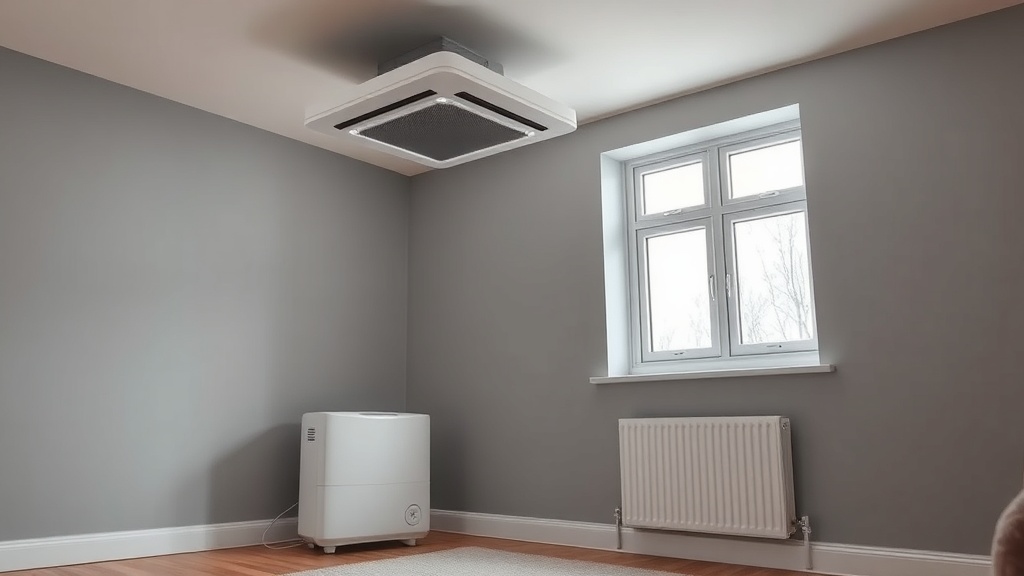
You have seen the ads for Positive Input Ventilation (PIV) units promising a mould-free home, but the installation quote comes in at £600–£800. Before you sign, you need to know if that price tag actually pays off or if you are being sold a gadget for a problem you could solve cheaper.
Here is the honest situation: UK homes have become significantly more airtight over the last three decades—double glazing, door seals, insulated lofts—and that traps moisture that used to escape through gaps you did not even notice. PIV is the high-tech response to that shift. It works. But it is not a universal fix, and it is not cheap enough to be worth trying on spec.
What Is a PIV Unit and How Does It Actually Work?
A PIV unit is a small fan system, usually mounted in the loft, that draws air from the loft space, filters it, and pushes it gently into your living areas below. The critical point is what that airflow actually achieves: it creates positive pressure inside the house. Think of it like blowing up a balloon inside a room—the air has to go somewhere, and in a reasonably sealed home, it forces the existing moist internal air out through the gaps around windows, doors, and vents.
That matters because the air being displaced is the damp one—from showers, kettles, drying clothes indoors, even breathing. A PIV does not extract moisture directly; it dilutes and displaces it by keeping fresh, drier air moving through the property.
The source air is key. It draws from the loft, not pulling cold damp air from outside in winter. Loft air is typically warmer and drier than external air—a dry loft with decent insulation will have air with lower moisture content than outside air, which is why the system works as a whole-home ventilation strategy rather than just pumping cold air in. Most units include a filter to keep dust and fibres out of the living space. Manufacturers typically suggest filters last around five years before they need replacing—a low ongoing cost, but something to budget for when the time comes.
The pressurisation concept is what makes the whole thing work. If your home has so many gaps and draughts that it cannot hold any pressure—an older property with poorly fitted windows, for instance—the system struggles to create that positive differential.
If you are still unsure whether condensation is actually your problem—and not rising damp or a leak—it is worth reading our guide on how to tell damp from condensation before spending anything on a ventilation system.
The Real-World Verdict: Who Is a PIV Unit For?
Here is where the honest answer splits depending on your home. A PIV unit is genuinely effective for one specific situation, and it is worth understanding exactly what that is before anyone tries to sell you one.
The clear winner: Airtight, modern homes—typically cavity-wall builds from the 1970s onwards, or any property where the loft has been well-insulated and the windows and doors are reasonably sealed. The mechanism only works if there is enough pressure differential to push air out through the gaps. In a home that is already tight, PIV can genuinely bring whole-house condensation under control with minimal ongoing input. Community feedback from homeowners who have installed these systems consistently describes them as a cost-effective whole-house solution for condensation specifically.
The flat no-go: If you live in a flat without a loft, PIV simply is not an option—there is no dry loft air to draw from. You need a different solution, and a PIV quote for a flat should be declined outright.
The leak problem: PIV will not fix a leaking roof, a burst pipe, or penetrating damp from outside water ingress. It manages air quality, not water damage. If you have a damp patch that appears after rain or near a water source, that needs investigating and fixing before you spend anything on ventilation—a PIV will just mask the symptom while the underlying problem worsens.
The draughty old home: Older solid-wall properties—Victorian terraces, Edwardian semis—were built to breathe. They have lime mortar, single-skin walls, and gaps that no amount of positive pressure can overcome. Running a PIV in a draughty old home is spending money on the wrong problem; the fix for those properties is usually trickle vents and targeted extraction, not whole-house pressurisation.
Here is a quick checklist to see if PIV is at least worth investigating further:
- Yes, potentially worth it if: You live in a reasonably sealed modern home (cavity wall, 1970s or later), condensation is your main damp problem, your loft is dry and insulated, and the mould returns every winter despite cleaning.
- No, don’t bother if: You live in a flat, you have a leak or penetrating damp, your home is draughty with obvious gaps, or you only have a problem in one room.
For tenants dealing with persistent condensation, it is worth knowing your landlord has legal responsibilities here—our renters guide to damp explains the reporting route and what the law actually requires.
Running Costs and Installation: The Hidden Price Tag
The installation cost for a PIV unit typically sits between £400 and £800 depending on the model and how straightforward the fitting is. That covers the unit itself and getting it wired up and ducted into the loft. It is not a DIY job for most people—the wiring needs to be done properly, and the intake position in the loft has to be right.
The running cost is where the “low energy” marketing comes in—and it is mostly accurate, but not free. The Energy Saving Trust estimates PIV units cost roughly £80–£120 per year to run in electricity. That is considerably less than running a dehumidifier 24 hours a day in every affected room—a compressor dehumidifier running continuously can easily hit £20–£30 per month per room, which adds up fast if you are trying to treat a whole house.
The honest trade-off is upfront cost versus ongoing cost. PIV costs more to install but less to run long-term if you need whole-house coverage. A dehumidifier is cheaper to buy but costs more to run the more rooms you need to treat.
Beyond the unit and electricity, there is the filter—typically a straightforward replacement every two to five years, depending on the manufacturer and how dusty your loft is. It is not expensive, but it is easy to forget until you notice the unit’s airflow has dropped off.
Something worth noting from real owner feedback: the control panels on some PIV units can be a bit confusing to set up and programme. It is not a dealbreaker, but it is worth asking the installer to walk you through it on the day.
The Verdict: Is a PIV Unit Worth It?
For most people reading this, the answer is yes—but only if you are in the right property type.
If you live in a reasonably airtight modern home—a cavity-wall semi from the 1970s or later, a modern new-build—and condensation is genuinely your primary damp problem, then a PIV unit is worth the upfront cost. The mechanism works: drawing filtered loft air and pressurising the home forces the moist internal air out through gaps and vents, reducing humidity below the level where mould thrives. Running costs of around £80–£120 per year mean it pays for itself against a dehumidifier within a couple of years if you are treating the whole house.
For a single-room problem—a perpetually damp bathroom, a spare room that goes musty—a PIV is overkill. An extractor fan, a dehumidifier, or even just leaving the door open more often will be cheaper and more targeted.
For a flat, a leak, or a draughty older home, it is not just the wrong solution—it is a waste of money. A flat has no loft to draw from. A leaking pipe or penetrating damp needs a different fix. And a draughty Victorian terrace cannot hold the pressure the system relies on.
The core principle is straightforward: PIV is a ventilation measure for condensation in airtight homes. It is not a cure for structural damp, rising damp, or water ingress. If you are unsure which problem you actually have, that is where to start—not by buying any product at all.
Buy a PIV if:
- Your home is reasonably sealed and modern
- Condensation (not a leak) is the primary damp issue
- You want a set-and-forget whole-house solution
Don’t buy a PIV if:
- You live in a flat with no loft
- You have a leak or penetrating damp
- You only have a problem in one or two rooms
- Your home is old and draughty
Now you know what to look for—Get the Free Damp & Mould Diagnosis Checklist to confirm condensation is the root cause before spending anything.
Frequently Asked Questions
Can a PIV unit fix black mould?
A PIV unit can prevent mould from returning by keeping humidity consistently below the threshold where it grows—roughly 60% relative humidity. What it will not do is remove mould that is already there. Any existing black mould on walls, ceilings, or around windows needs to be cleaned off with a proper fungicidal treatment designed for the surface. Once the surface is clean and the underlying moisture source is under control, PIV helps stop it coming back.
Do PIV units work in summer?
Yes—the unit keeps running, but the heating element that some models include to temper the incoming air will switch off when the loft air is warm enough. The ventilation function still operates, which matters because summer condensation can still happen, though it is less of a problem than in winter.
Is PIV suitable for rental properties?
For tenants, the important thing to know is that your landlord is responsible for fixing damp and mould caused by condensation if the property has inadequate ventilation—that is part of the Homes (Fitness for Human Habitation) Act and Awaab’s Law applies to social landlords specifically. PIV can be an effective long-term solution, but it should be the landlord’s decision and expense, not yours. Report the problem in writing first, give them a reasonable timeframe to respond, and if the issue is serious, contact your local council’s environmental health team. Shelter and Citizens Advice both have detailed guidance on this.
PIV Suitability Checklist
| Property Type | Loft Access | Condensation Issue | Verdict |
|---|---|---|---|
| Modern Airtight Home | Yes | Whole house | Highly Recommended |
| Flat / Apartment | No | Any | Not Suitable |
| Victorian Solid Wall | Yes | Condensation | Not Recommended |
| Leaking Property | Yes | Damp patches | Fix Leak First |
| Single Room Problem | Yes | One damp room | Use Extractor Fan |
| New Build | Yes | Mould returns | Worth Investigating |
Where to Go From Here
The honest answer is that most UK damp—the black marks on bedroom walls, the bathroom mirror that is always fogged, the musty wardrobe—is condensation. It is fixable. It is usually not expensive. But spending £800 on a PIV unit for a problem that an extractor fan and a £150 dehumidifier would solve is not the right start.
Before you buy anything, confirm what you are actually dealing with. Condensation behaves differently from a leak or rising damp, and the fix is different too. Get the Free Damp & Mould Diagnosis Checklist —it is a straightforward set of checks that helps you work out what is going on in your home before you spend a penny on a solution.
If condensation is the culprit, a PIV unit genuinely is one of the most effective long-term options for airtight homes. If it is not, the checklist will help you understand what route to take instead.
Related Guides
For a complete overview, see our Why Your House Has Condensation and How to Fix It .
Sources & Further Reading
Note: General guidance only, verify details with a qualified professional or official source.