Why Double Glazing Made Condensation Worse in UK Homes
As an Amazon Associate we earn from qualifying purchases. Some links on this page are affiliate links, which means we may earn a small commission if you make a purchase.
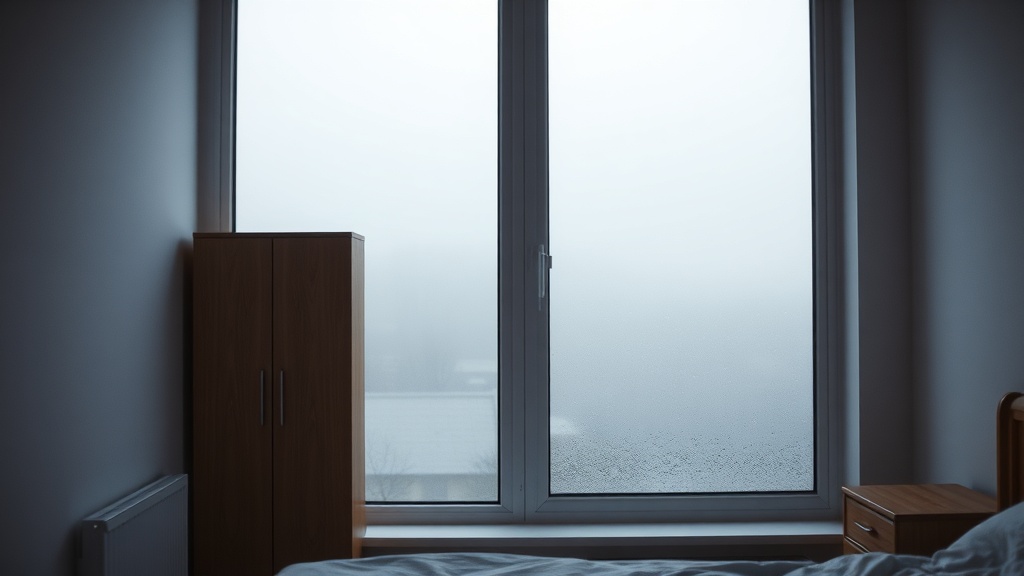
You just spent thousands on double glazing to keep the heat in, and now you’re staring at black mould on your bedroom walls. It feels like the upgrade backfired — like the windows caused the problem. But here’s what’s actually going on: the condensation wasn’t created by the windows. It was just waiting to be seen.
Double glazing is genuinely excellent for energy efficiency. What it can’t do is remove moisture from your home — and once your windows stopped the draughts, that moisture had nowhere to go. The result isn’t rising damp, and it isn’t a faulty window. It’s a ventilation gap that the installation paperwork didn’t mention. Here’s why it happened, and what actually fixes it.
The Hidden Physics of Condensation
Before we get into why double glazing seems to cause condensation, it helps to understand what condensation actually is.
Condensation forms when warm, moisture-laden air meets a cold surface and the water vapour in that air turns back into liquid water. Think of a cold drink on a hot day — the can isn’t sweating, it’s just that the air around it cooled down enough at the surface for moisture to condense out. Your windows work the same way. Glass cools faster than a solid wall, which is why it was always the first place you’d see condensation in a cold snap.
The other half of the equation is moisture itself. UK homes generate a surprising amount of water vapour through everyday living — cooking, showering, drying clothes indoors, even breathing. In winter, when we’re all sealed up and the heating’s on, that moisture builds up. A family of four can add several litres of water to the air every day without noticing. The problem isn’t that your home is unusually damp. It’s that the air can only hold so much water before some of it starts condensing out on the nearest cold surface.
Why Double Glazing Revealed the Problem
This is where the story takes a turn that most people don’t expect. Double glazing didn’t create your condensation problem — it revealed one that was already there.
Here’s what happened. Single-glazed windows were cold and draughty. The gaps around them let air move through the house freely — which meant moisture-laden air was constantly being replaced by drier outside air. You’d see condensation on the glass, sure, and it might run down and pool on the sill. But the house was essentially self-ventilating through those draughts. The moisture had an escape route.
When double glazing was fitted, the windows became a thermal barrier — they stopped heat escaping and they stopped cold air getting in. That’s exactly what you paid for. But it also meant the house became much more airtight. The moisture that used to blow out through the gaps around the window frames now stays inside. And since the glass is now warmer, the coldest surface in the room shifts to the walls — particularly north-facing external walls, or walls with poor insulation.
The moisture that used to condense on the glass and run off is now condensing inside the wall fabric itself. This is called interstitial condensation — condensation within the structure — and it’s exactly why walls that never showed damp before can start showing black mould after double glazing. The condensation moved; it didn’t disappear.
The UK Energy Saving Trust puts it plainly: improving energy efficiency without improving ventilation can increase condensation risk. That’s not a criticism of double glazing — it’s a statement of physics. You improved one half of the equation (heat retention) without addressing the other half (moisture removal). The result is predictable.
So to be direct: if you’ve got mould on your walls after double glazing, you don’t need rising damp treatment, and you don’t need new windows. You need ventilation.
The Real Fix: Ventilation, Not Replacement
Only two things actually remove moisture from indoor air: ventilation, which carries it outside, and a dehumidifier, which collects it as water. Double glazing can’t do either of those jobs — it was never designed to. The fix is to add the missing piece.
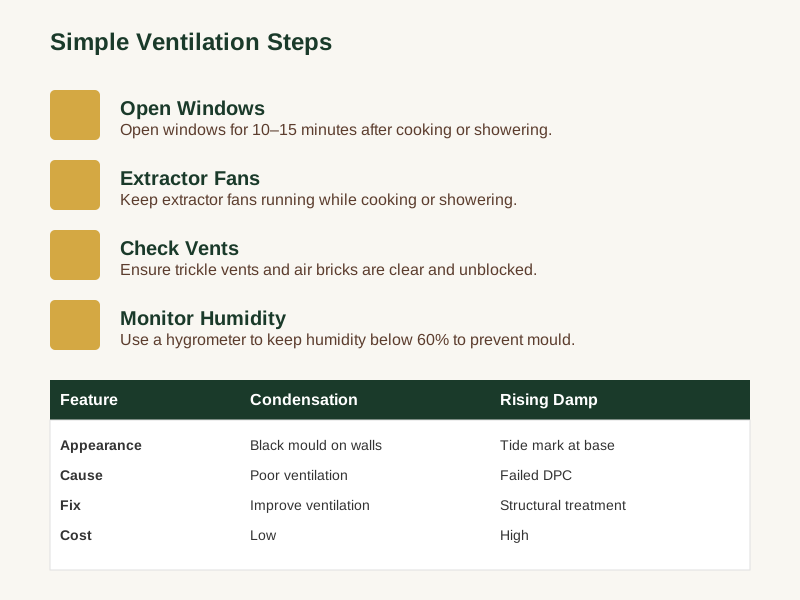
For most UK homes, ventilation is the more cost-effective and sustainable route. The NHS guidance on damp and condensation recommends keeping homes heated to around 18–21°C, using extractor fans in kitchens and bathrooms, opening windows regularly, and keeping air bricks and vents clear. That’s the practical checklist. You want a steady flow of dry outside air replacing moist inside air, without losing so much heat that you’re constantly paying to reheat the room.
There are several ways to improve ventilation without spending much:
- Open windows for 10–15 minutes after cooking or showering — this is the single most effective free habit
- Use trickle vents on windows if you have them (they’re often closed or painted over — worth checking)
- Keep extractor fans running while cooking or showering, and for a while afterwards
- Check that air bricks around the exterior are clear — they’re easy to block with vegetation or debris
- Consider a positive input ventilation (PIV) unit if the problem is persistent and the house is fairly airtight
If you’re a tenant, your landlord has a legal responsibility to address ventilation issues under the decent homes standard and, for social housing, under Awaab’s Law. The gov.uk guidance for rented housing providers specifically lists ventilation alongside heating, insulation, and building defects as issues that need addressing — not cosmetic fixes over the top. If you’ve reported condensation and mould to your landlord and nothing’s changed, put it in writing and keep records. That’s the documented route that actually protects you.
For homeowners who want faster results, a decent dehumidifier is worth considering — particularly for rooms that genuinely struggle in winter. The Meaco Arete One 12L (paid link) comes up frequently in owner reviews for being quiet and effective in Victorian terraces and flats where condensation is a regular problem. It’s not cheap, but owners consistently describe it as the thing that finally sorted the issue. If you want to understand what’s actually going on with your humidity levels, a simple hygrometer — the ThermoPro TP50 (paid link) comes up well in reviews for basic monitoring — lets you see whether you’re in the danger zone (above 60% relative humidity is where mould becomes likely).
See it on Amazon → (paid link)
Now you know what to look for — Get the Free Damp & Mould Diagnosis Checklist to confirm whether the issue is condensation and confirm the right fix for your situation.
When to Replace Double Glazing
Before you assume the windows are the culprit, it’s worth knowing what actually indicates a problem with the windows themselves — because in most cases, they aren’t the issue.
If you see condensation between the two panes of glass — a persistent fog or mist that doesn’t wipe away from either side — that’s a seal failure. The hermetic seal around the double-glazed unit has broken, and moisture has got into the gap. That window needs replacing; no amount of ventilation will fix a failed seal. It’s a manufacturing or installation defect, not a condensation problem in the usual sense.
External condensation on double glazing — water forming on the outside of the glass — is actually a positive sign. It means the window is doing its job so well that the inner pane is warm (keeping the inside dry) and the outer pane is cold enough to condense moisture from the outside air. It’s the same as dew on grass in the morning. Unsettling if you don’t expect it, but a sign of a thermally efficient window, not a fault.
Internal condensation on the room-facing surface of the glass is the common case — and that’s almost always a moisture problem in the room, not a window problem. The fix is ventilation, not replacement.
Frequently Asked Questions
Will opening my windows stop condensation?
Yes, but only for as long as you keep doing it. Opening windows increases airflow and allows moisture to escape, but the moment you close them again, the moisture starts building back up. For long-term control, you need consistent background ventilation — extractor fans running when you cook or shower, trickle vents left open, or a mechanical ventilation system. A one-off window open is a temporary measure; consistent airflow is the actual solution.
Is black mould on my walls a sign of rising damp?
Not necessarily — almost always, it’s condensation. Rising damp has a specific appearance: a tide mark or damp patch that starts at the base of a wall and rises up to around a metre, caused by a failed or missing damp-proof course. Black mould on walls, particularly on external walls, behind furniture, or in corners, is almost always caused by condensation and poor ventilation. If you’re unsure, a moisture meter (you can pick one up for around £20–30) will tell you whether the wall is genuinely damp or whether it’s just surface condensation. For anything that looks like rising damp — a tide mark, skirting boards that are soft at the bottom — get an independent surveyor rather than relying on a contractor who also sells the cure.
Should I remove my double glazing?
No. Double glazing is excellent for energy efficiency and comfort — it’s done exactly what it was supposed to do. The issue is the lack of ventilation that came alongside it, not the windows themselves. Removing them would mean more heat loss and more draughts, which would actually make the condensation worse in a different form. The honest answer is to work with the double glazing and add the ventilation it’s missing.
Condensation vs Rising Damp: Key Differences
| Feature | Condensation | Rising Damp |
|---|---|---|
| Appearance | Black mould on walls, especially corners | Tide mark or damp patch at base |
| Location | External walls, behind furniture | Base of walls, rising up to 1m |
| Cause | Moisture in air, poor ventilation | Failed damp-proof course |
| Fix | Improve ventilation | Professional damp treatment |
| Cost | Low (fans, vents) | High (structural work) |
Where to Go From Here
The mould on your walls isn’t a sign that your double glazing is faulty or that your home has a serious structural problem. It’s a sign that your home is now working as a better insulator — which is good — but it’s trapping moisture that used to escape through draughts.
The fix is ventilation, not expensive treatment. Open windows, use extractor fans, check your trickle vents and air bricks, and if the problem persists, a dehumidifier is a genuine investment rather than a sales pitch. The readers who’ve been through this and come out the other side consistently report that the mould stopped returning once they addressed the airflow — not the walls.
If you’re still unsure whether what you’re dealing with is condensation, rising damp, or something else, the honest next step is to work through the diagnosis properly before anyone sells you a solution. Get the Free Damp & Mould Diagnosis Checklist — it walks you through what to look for and where, so you can be confident about what’s actually causing the problem before you spend anything.
Related Guides
For a complete overview, see our Why Your House Has Condensation and How to Fix It .
Sources & Further Reading
As an Amazon Associate we earn from qualifying purchases.
Note: General guidance only, verify details with a qualified professional or official source.
Buy Meaco Arete One 12L on Amazon → (paid link)